
How Early Attachment Patterns Influence Adolescent Relationships
21 Mar 2026
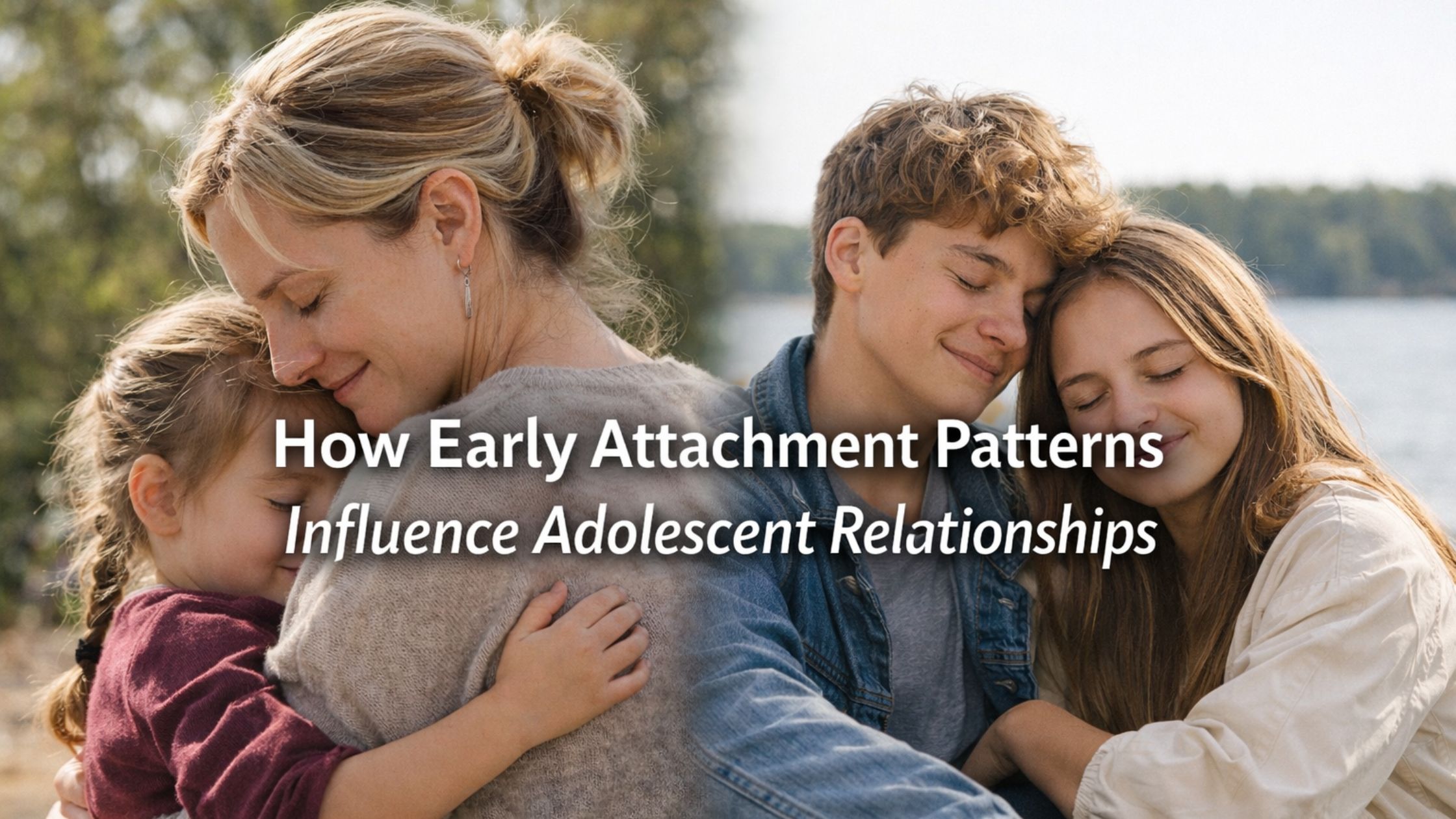
Some teenagers seem comfortable with closeness. They can share, trust, and stay connected even during disagreements. Others may pull away, overthink, or become overly dependent on friendships and relationships.
These patterns don’t begin in adolescence. They often start much earlier long before a child understands what relationships even mean.
This blog explores how early attachment patterns shape the way adolescents connect, trust, and relate to others, and why these early experiences continue to matter over time.
What Attachment Means in Early Childhood
Attachment refers to the emotional bond a child forms with their primary caregivers.
In early years, children learn whether the world feels safe and whether people can be trusted. When caregivers are consistent, responsive, and emotionally available, children develop a sense of security. When care is unpredictable, distant, or overwhelming, children adapt in different ways.
These early experiences don’t stay in childhood. They become internal templates for relationships.
How These Patterns Carry Forward
As children grow into adolescents, their social world expands. Friendships deepen, emotional connections become more important, and romantic interests may begin to develop.
But the way they approach these relationships is often influenced by earlier attachment experiences.
A teenager who felt secure early on may find it easier to trust and communicate. A teenager who experienced inconsistency or emotional distance may approach relationships with caution, anxiety, or avoidance.
These patterns are not choices. They are learned expectations.
Different Ways Attachment Shows Up in Teens

Attachment patterns can appear in subtle but meaningful ways during adolescence.
Some teens may seek constant reassurance and fear being left out or rejected. Others may keep emotional distance, avoiding vulnerability even when they want connection. Some may move between closeness and withdrawal, unsure of what feels safe.
These behaviours are often misunderstood as personality traits, when they are actually relational patterns shaped over time.
Why Adolescence Makes These Patterns More Visible
Adolescence is a time when relationships become central to identity.
Teens begin to ask:
- Who values me?
- Where do I belong?
- Can I trust others with how I feel?
Because emotional stakes are higher, attachment patterns become more noticeable. Situations like friendship conflicts, peer dynamics, or early romantic experiences can trigger deeper fears or expectations formed in childhood.
How Misunderstandings Can Happen
Adults may interpret these behaviours as overreaction, indifference, or immaturity.
A teen who seeks reassurance may be seen as “too dependent.” A teen who withdraws may be seen as “uninterested” or “cold.” But underneath, both may be responding to earlier experiences of connection and safety.
Understanding this helps shift the focus from behaviour to meaning.
Can Attachment Patterns Change?
Attachment patterns are not fixed.
While early experiences shape them, later relationships can influence them as well. Supportive friendships, understanding caregivers, and emotionally safe environments can help teens experience connection differently.
Over time, new patterns can form when teens feel consistently seen and accepted.
The Role of Caregivers During Adolescence
Even as teens seek independence, caregivers continue to play an important role.
Being available, listening without immediate judgment, and responding with steadiness helps reinforce a sense of safety. Teens may not always express it, but they still look for emotional reliability.
These ongoing interactions can soften earlier patterns and support healthier relationships.
When to Seek Support
Support may be helpful when a teen shows persistent difficulty with trust, intense fear of rejection, emotional withdrawal, or repeated conflict in relationships.
These patterns often benefit from guided understanding and a space where emotions can be explored safely.
Conclusion
The way adolescents connect with others is often rooted in how they first experienced connection.
Early attachment patterns shape expectations of trust, closeness, and safety. But they do not define the future completely. With supportive relationships and awareness, these patterns can evolve.
If you’re noticing challenges in your teen’s relationships and want to understand them more deeply, SoulNirvana offers guidance through its Comprehensive Parenting Support Program. If it feels right, you can book a session now and explore how to support healthier emotional connections.
FAQs
Q1. Do early attachment patterns always affect relationships later?
They often influence them, but they can change with new experiences.
Q2. Can a teen develop secure attachment later in life?
Yes. Safe and consistent relationships can help reshape attachment patterns.
Q3. Why does my teen seem overly sensitive in friendships?
It may be linked to fear of rejection or past experiences of inconsistency.
Q4. When should parents seek help?
When relationship struggles are persistent, intense, or affecting emotional well-being.
References
Bowlby, J. Attachment and Loss.
https://www.simplypsychology.org/bowlby.html
Ainsworth, M. D. S. Patterns of Attachment.
Siegel, D. J. The Developing Mind.

Ms Sonali Sikdar
Ms Sonali empowers individuals to grow, heal, and align their careers with their inner calling.
Related Blogs
No related blogs available.