
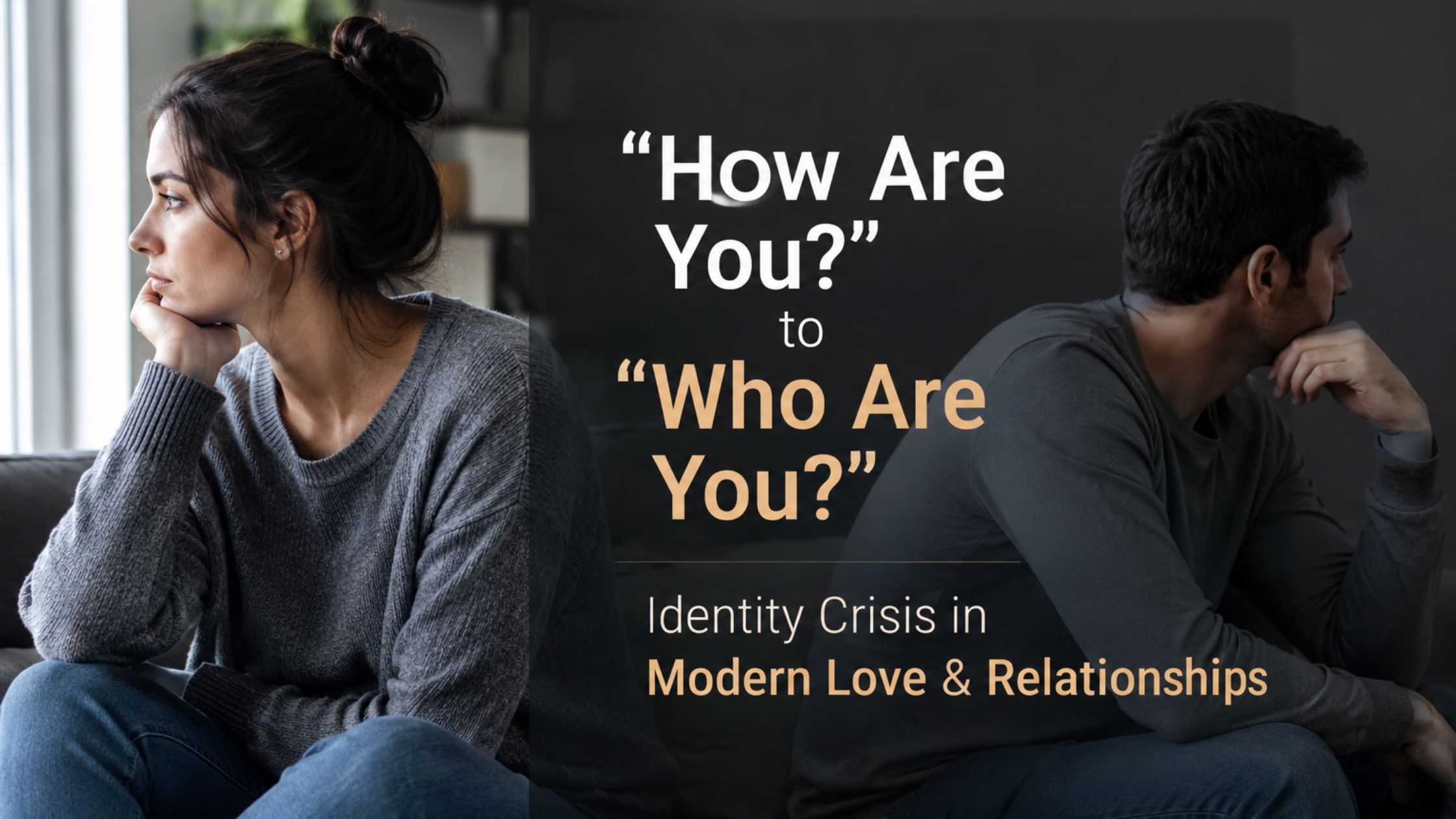
Most relationships begin lightly. The conversations are easy. There’s attraction, excitement, curiosity. Two people slowly learn each other’s habits, interests, humour, and routines. In the beginning, the question is usually simple: “How are you?”
But as relationships deepen, another question quietly appears underneath: “Who are you, really?”
This is often the stage where things become emotionally complicated especially for Gen Z, a generation already navigating identity, self-worth, and constant comparison while trying to build meaningful relationships.
Why Early Attraction Feels Easier
In the beginning, relationships often feel exciting because they are still partly imagined.
People naturally show the more polished, confident, or appealing versions of themselves. There is curiosity without too much emotional risk yet. The relationship feels full of possibility.
At this stage, connection is often built around:
- attraction
- shared interests
- attention
- emotional excitement
The deeper layers of identity haven’t fully entered the room yet.
What Changes As Relationships Deepen

Over time, relationships move beyond chemistry.
People begin seeing each other more clearly, not just the charming parts, but the fears, insecurities, habits, emotional wounds, and coping patterns underneath. The relationship becomes less about performance and more about emotional exposure.
This shift can feel unsettling.
Because now the question is no longer:
“Do you like me?”
but:
“Will you still stay when you really know me?”
Why This Feels Especially Intense for Gen Z
Gen Z is growing up in a world where identity feels highly visible and constantly evolving.
People today are encouraged to “find themselves,” define themselves, express themselves, and build personal identities publicly. At the same time, social media creates pressure to appear emotionally aware, attractive, successful, and self-assured.
This creates a strange tension: many people are still discovering who they are while simultaneously trying to be deeply known by someone else.
That can feel emotionally overwhelming.
The Fear of Being Fully Seen
As intimacy grows, insecurity often grows alongside it.
People begin worrying:
- What if they see the real me and lose interest?
- What if I don’t even fully know who I am yet?
- What if I change?
For some, relationships become mirrors that reflect unresolved questions about identity rather than just connection.
Love starts touching parts of the self that were easier to avoid alone.
Why Relationships Trigger Identity Crises
Modern relationships are emotionally demanding in ways earlier generations did not always expect.
Today, partners are often expected to provide:
- emotional understanding
- friendship
- attraction
- validation
- growth
- stability
- compatibility
This means relationships don’t just test love. They test identity.
When conflict, disappointment, or emotional distance appears, many Gen Z individuals don’t only question the relationship, they question themselves.
The Difference Between Connection and Validation
Sometimes relationships quietly become sources of identity validation.
Instead of:
- I love this person,
- the feeling becomes:
- I feel valuable because this person chooses me.
When self-worth depends heavily on the relationship, emotional instability increases. Breakups, distance, or uncertainty begin to feel like personal collapse rather than relational difficulty.
This is why some relationships feel emotionally consuming.
Why Emotional Exposure Feels So Vulnerable
Being emotionally known is different from being emotionally liked.
Attraction can exist without deep vulnerability. But long-term connection eventually asks people to reveal parts of themselves they usually protect:
- fears
- shame
- insecurities
- emotional needs
This level of openness can trigger both closeness and panic at the same time.
What Helps Relationships Feel More Grounded
Healthy relationships allow space for both connection and individuality.
People feel safer when they are not required to “perform” perfection to remain loved. Emotional safety grows when honesty is possible without fear of rejection or humiliation.
It also helps when identity exists outside the relationship too through personal values, friendships, purpose, and self-understanding.
Love becomes healthier when it complements identity rather than replacing it.
The Bigger Picture
Gen Z relationships are happening in a time of constant visibility, emotional awareness, and identity exploration. Because of this, relationships often become emotionally intense very quickly.
But emotional intensity is not always emotional clarity.
Learning the difference between being loved and being validated, between connection and dependency, becomes an important part of emotional maturity.
Conclusion
Modern relationships no longer stay at “How are you?” for very long.
They quickly move toward deeper emotional questions about identity, worth, vulnerability, and belonging. For many Gen Z individuals, love is not just about connection, it becomes part of the search for self.
Understanding this can help relationships feel less confusing and more intentional.
If you’ve been feeling emotionally lost within relationships or struggling with identity and connection, SoulNirvana offers a supportive space through its Couple Counseling services. If it feels right, you can book a session now and begin exploring relationships with more clarity and emotional grounding.
FAQs
Q1. Why do relationships trigger identity confusion?
Because intimacy often exposes insecurities, emotional needs, and unresolved questions about self-worth.
Q2. Is it normal to feel emotionally overwhelmed in modern relationships?
Yes. Relationships today carry emotional expectations that can feel intense.
Q3. Can someone lose their identity in a relationship?
It can happen when self-worth becomes overly dependent on the relationship.
Q4. How can relationships feel healthier emotionally?
By balancing emotional closeness with individuality, boundaries, and self-awareness.
References
American Psychological Association. Relationships, identity, and emotional development.
Pew Research Center. Young adults, relationships, and identity.
Esther Perel. Modern intimacy and relationships.
World Health Organization. Youth emotional well-being and relationships.