

A child's day can become full without parents even realising how quickly it has happened. School occupies much of the day, followed by tuition, sports, music lessons, hobby classes, homework, and other planned activities. Even the time between these commitments may be filled with screens, entertainment, or something designed to keep the child occupied. Each activity may have a purpose, and many may genuinely interest the child. Yet, somewhere between one commitment and another, something important can disappear: time that belongs entirely to the child.
Parents naturally want their children to explore their abilities, discover their interests, and make the most of the opportunities available to them. They may believe that keeping children engaged will help them become more capable and confident. However, when every part of the day is organised around an activity, there may be little room for children to slow down, play freely, daydream, or decide what they want to do themselves.
A childhood filled with activities is not necessarily a childhood filled with meaningful experiences. Children also need moments when nothing particular is expected of them, when they are not being taught, guided, entertained, or evaluated.
Downtime is not an empty part of a child's day. It is an important part of allowing childhood to unfold at its own pace.
When a Child's Calendar Becomes Too Full
Overscheduling does not always begin with pressure. It often begins with good intentions. A child shows an interest in drawing, so parents enrol them in an art class. They enjoy sports, so another activity is added. They show curiosity about music, dance, or a particular subject, and parents want to encourage that interest before the opportunity passes.
Gradually, the calendar becomes crowded.
The difficulty is not necessarily the number of activities itself. It is whether the child has enough time between them to rest, explore independently, and enjoy ordinary life without another commitment waiting.
Even activities that children enjoy can become tiring when there is too much, too soon. An interest that once brought excitement may begin to feel like another responsibility when it requires constant practice, performance, or improvement.
Children need opportunities to develop their abilities, but those abilities do not have to be developed continuously. Some interests need time to grow naturally, without being turned into structured achievements.
A child who enjoys painting does not always need another painting lesson. Sometimes, they may simply want to draw something of their own, experiment with colours, or leave a drawing unfinished and return to it later.
The question is not whether children should participate in activities. It is whether those activities leave enough room for the rest of childhood.
Why Free Time Is More Important Than It Looks
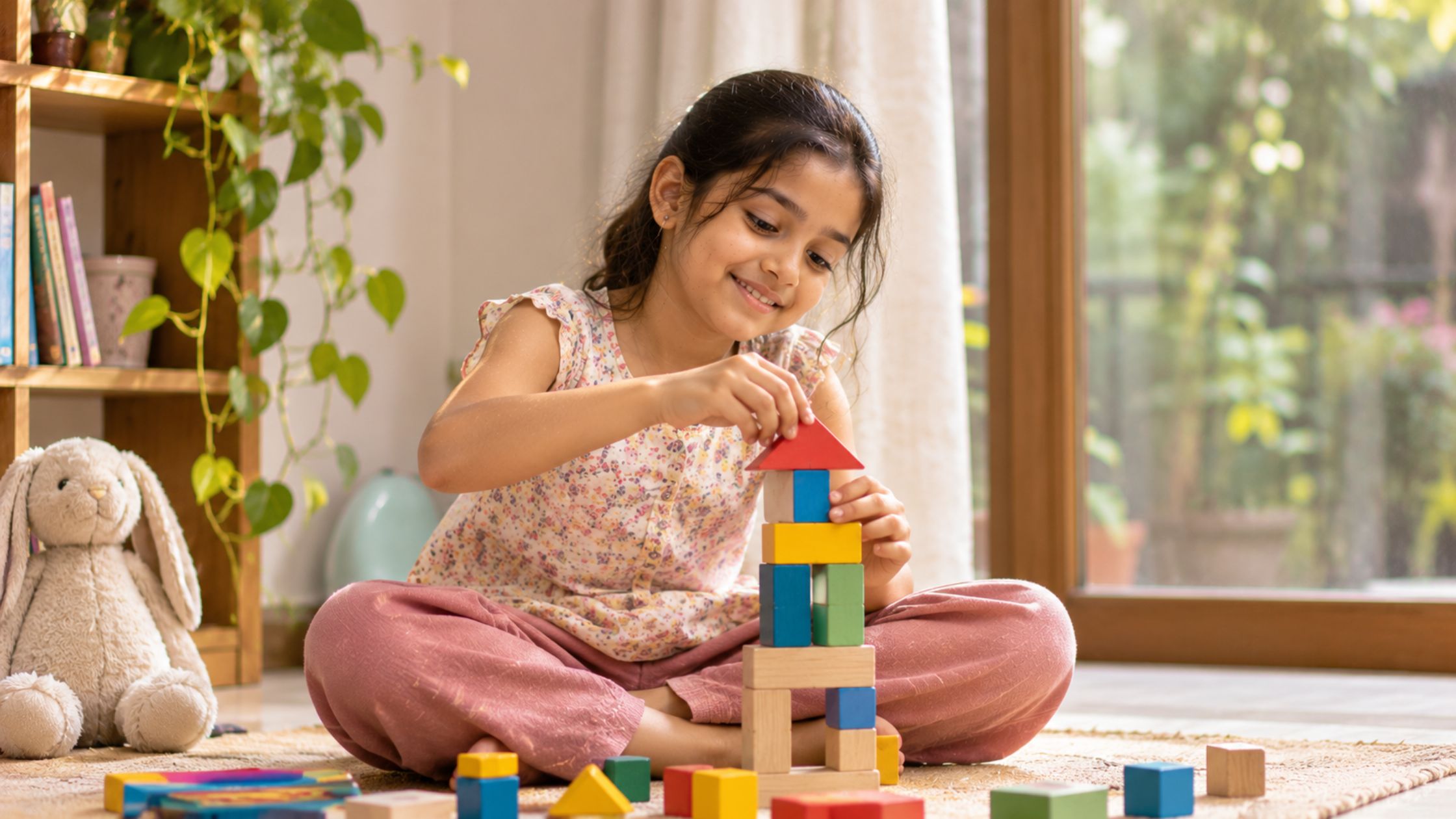
Free time gives children something that organised activities cannot always provide: the freedom to decide what happens next.
During a structured activity, there is usually an expectation. Someone explains what needs to be done, how an activity should proceed, or what the child is working towards. In unstructured time, the direction can come from the child.
They may build something, invent a game, draw, read, rearrange their toys, or spend time exploring an idea that interests them. Their play may not follow a clear pattern, and it may not produce anything that adults consider useful.
That freedom is valuable.
When children are allowed to decide how they spend some of their time, they have opportunities to discover their own preferences. They can remain with an activity because it interests them rather than because someone has scheduled it. They can change direction, experiment, repeat something they enjoy, or simply observe what is happening around them.
Free time also creates opportunities for children to become comfortable with their own company. They do not always need an adult to suggest an activity or another source of entertainment to make the moment worthwhile.
A child who has time to follow their own curiosity is experiencing something different from a child whose entire day is directed by others.
Boredom Can Be the Beginning of Imagination
Many parents find it difficult to hear their child say, "I'm bored." The immediate response is often to suggest something to do, offer a screen, bring out a toy, or arrange another activity.
But boredom does not always need to be solved.
When children are not immediately entertained, they have an opportunity to look around and discover what might interest them. They may begin with uncertainty, complain that there is nothing to do, or move between activities before settling into something.
Eventually, they may create their own entertainment.
An ordinary household object can become part of an imaginary game. A familiar toy may take on a new role. A child may invent a story, spend time drawing, or begin an activity that was never planned.
These moments may appear unproductive, but they allow imagination to develop without an adult deciding what the experience should become.
Boredom can also give children time to notice their surroundings and return to interests that may have been overlooked amid constant stimulation.
This does not mean that children should be left without attention or emotional support. It simply means that parents do not have to fill every quiet moment. Sometimes, allowing a little space is enough for a child to discover what they want to do.
The Pressure to Constantly Develop a Child's Abilities
One of the reasons children's schedules become crowded is the belief that every interest represents an opportunity that must be developed.
If a child enjoys singing, perhaps they should take lessons. If they enjoy sports, perhaps they should train more regularly. If they show an interest in reading, perhaps they should be encouraged towards more advanced material.
There is nothing wrong with supporting a child's interests. The difficulty begins when every interest becomes a responsibility to improve.
Children can start experiencing activities less as sources of enjoyment and more as expectations. What was once something they chose to do may become something they are expected to perform well.
Parents may also begin measuring childhood through visible achievements: the number of activities completed, skills acquired, competitions entered, or milestones reached.
But not every interest needs to become an accomplishment.
Some interests are meaningful precisely because children can enjoy them without being evaluated. A child may love dancing without wanting to perform on a stage. They may enjoy building things without needing to produce something impressive. They may love reading without having to complete a particular number of books.
Children need enough freedom to discover what they enjoy, what they want to continue, and what they may eventually outgrow.
Development cannot always be hurried by adding more opportunities.
Downtime Helps Balance an Active Day
Children need activity, movement, exploration, and engagement. But activity without downtime can become difficult to sustain.
A day that moves continuously from school to classes, homework, and entertainment may leave little opportunity for the child to settle. Even when the activities are enjoyable, the transitions between them can make the day feel hurried.
Downtime offers a different pace.
It may involve quiet play after school, an unplanned afternoon at home, reading without a specific target, or simply having time to decide what to do next. It does not necessarily mean sitting still or doing nothing physically. A child can be active during unstructured time while still experiencing freedom from organised expectations.
The balance between active and quiet periods is important. A busy day can be followed by a calmer one. An intense activity can be followed by time to relax. A full week can include periods when there is no particular destination or achievement waiting.
This balance also allows children to experience anticipation. When every moment is filled with another activity, there may be little time to look forward to something, imagine what it might be like, or enjoy the ordinary moments in between.
A childhood with a healthier rhythm makes room for both excitement and stillness.
The Value of Ordinary, Unplanned Moments
Not every meaningful childhood memory comes from a planned outing, organised class, or special occasion.
Some experiences happen during ordinary afternoons. A child may spend time helping prepare a meal, playing with familiar toys, looking outside, reading a favourite story, or sitting with a parent while nothing particularly important is happening.
These moments may not appear significant when compared with structured activities, but they are part of the rhythm of family life.
When schedules become too full, ordinary experiences can start to feel like interruptions between more important commitments. Yet, these everyday moments offer opportunities for children to connect with their surroundings and the people around them without the pressure of completing something.
Family life does not need to be constantly organised to be meaningful. Sometimes, relationships develop most naturally when there is no specific activity demanding everyone's attention.
A little unplanned time can make space for conversations, shared tasks, spontaneous play, and moments of closeness that cannot always be arranged in advance.
How Can Parents Recognise That Their Child Needs More Downtime?
There is no single schedule that works for every child. Some children enjoy several activities, while others prefer fewer commitments. Their interests, energy, family circumstances, and individual needs differ.
However, parents can pay attention to whether their child has enough time to rest and engage in activities of their own choosing.
A child who rarely has time to play without direction, frequently moves from one commitment to another, or seems unable to enjoy an afternoon without being entertained may benefit from a little more unstructured time.
It is also worth noticing whether an activity still brings the child enjoyment or has gradually become another source of pressure. A child who once looked forward to an interest may need a break, a change in expectations, or simply more freedom to enjoy it without constant improvement being expected.
Parents do not need to remove every activity or redesign the entire family schedule. They can begin by looking at the spaces between commitments.
Perhaps an afternoon does not need another class. Perhaps a weekend can remain partly unplanned. Perhaps a child can be allowed to play without an adult continuously suggesting what to do next.
The aim is not to create a perfect routine. It is to notice whether the child's day has enough room for childhood itself.
Let Children Experience Time That Belongs to Them
Children's time is often organised by adults. Parents decide when they wake up, when they leave for school, what activities they attend, when homework is completed, and when they need to prepare for bed.
Much of this structure is necessary. Children depend on adults to provide guidance, consistency, and care.
But they also need some time that does not belong to anyone else's expectations.
Time that belongs to them allows them to discover their interests without being directed towards a particular outcome. It gives them the freedom to become bored, change their minds, follow an idea, and spend time in ways that may not appear productive to an adult.
This does not mean that parents should withdraw from their children's lives. It means recognising that being supportive does not require managing every moment.
At SoulNirvana, the Parenting Support Program offers parents a space to reflect on family schedules, expectations, and the balance between structured activities and a child's individual needs. The focus is on understanding how everyday patterns can support a more connected and less hurried family environment.
Conclusion: A Childhood Does Not Need to Be Completely Filled
Parents want their children to have opportunities, discover their abilities, and make the most of their interests. These hopes come from care, but they do not always require a fuller calendar.
Children also need afternoons without plans, games without instructions, time to become bored, and opportunities to explore something simply because it interests them.
An unscheduled moment is not necessarily a missed opportunity. It may be the moment when a child discovers a new interest, returns to an old one, invents something unexpected, or learns to enjoy their own company.
The aim is not to make childhood less active or less meaningful. It is to make sure that activity does not occupy every available space.
Sometimes, one of the most valuable things parents can give their children is not another class, another experience, or another opportunity to improve. It is the freedom to have a little time that belongs entirely to them.
FAQs
1. How do I know if my child is overscheduled?
If your child has very little time for free play, rest, or activities of their own choosing, it may be worth reviewing their schedule. Notice whether they still enjoy their activities or experience them mainly as obligations.
2. Why is downtime important for children?
Downtime gives children opportunities to rest, play freely, daydream, explore interests, and experience ordinary life without constant direction. It creates balance within an otherwise structured day.
3. Is boredom good for children?
Boredom can encourage children to use their imagination and discover their own activities. They do not need to be entertained every time they have nothing planned.
4. Should parents reduce extracurricular activities?
Not necessarily. Activities can be valuable when children enjoy them and have enough time to recover and explore independently. The aim is to balance organised commitments with unstructured time.
5. Does free play have to involve toys?
No. Children can engage in free play through drawing, storytelling, building, reading, exploring their surroundings, or inventing games using ordinary objects.
References
- UNICEF. What Is Free Play?
- https://www.unicef.org/parenting/child-care/what-is-free-play
- UNICEF. The Power of Play.
- https://data.unicef.org/resources/the-power-of-play/
- Harvard Center on the Developing Child. Three Principles to Improve Outcomes for Children and Families.
- https://developingchild.harvard.edu/resources/report/three-principles-to-improve-outcomes-for-children-and-families/