
Understanding the Transition from Dependence to Autonomy in Teens
21 Mar 2026
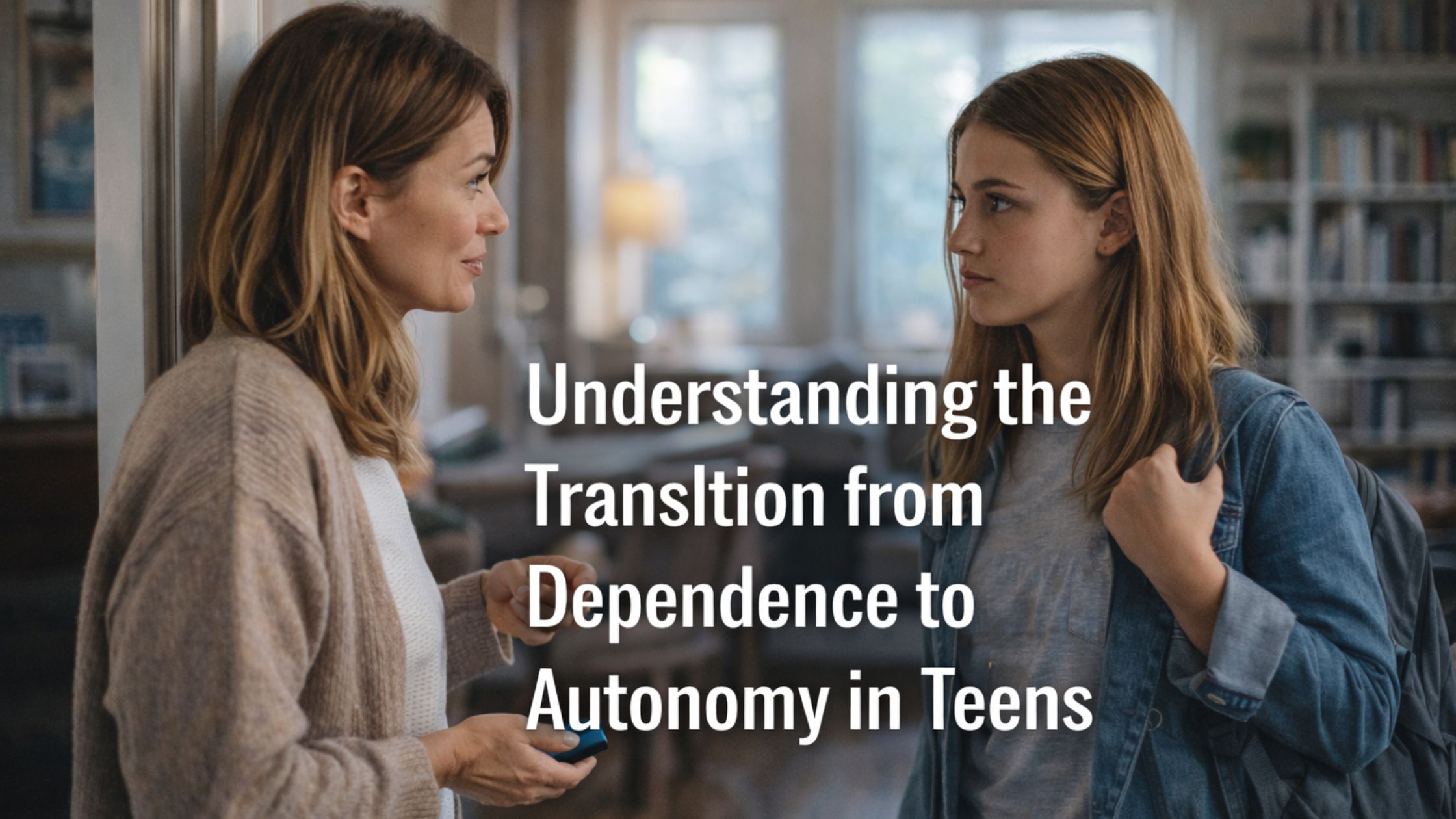
There comes a time when a child who once asked for help with everything begins to say, “I’ll do it myself.”
For many parents, this shift can feel sudden. One moment, they are needed for every small decision. The next, they are being questioned, resisted, or even pushed away. It can feel confusing, sometimes even personal.
But this change is not rejection. It is development.
This blog explores why teens move from dependence to autonomy, what this transition feels like on both sides, and how it can be supported without turning into conflict.
Why This Shift Happens in the Teen Years
Adolescence is a period of rapid change emotionally, socially, and neurologically.
Teens begin to think more independently. They start forming their own opinions, values, and preferences. At the same time, their world expands beyond family into friendships, school, and social environments where identity begins to take shape.
Dependence doesn’t disappear overnight. But autonomy starts asking for space.
What Autonomy Really Means
Autonomy is not about pushing parents away or becoming completely independent overnight.
It is about learning to:
- make decisions
- take responsibility
- express opinions
- understand consequences
This process happens gradually. Teens still need guidance, but they also need room to practice being themselves.
Autonomy is built, not given all at once.
Why This Phase Feels Difficult for Parents

For parents, this transition can feel like losing closeness.
The child who once relied on them may now question rules, prefer peers, or keep things private. This can trigger worry: Are they drifting away? Am I losing influence?
Often, the instinct is to hold on tighter. But too much control can create more resistance.
What feels like distance is often growth.
What This Feels Like for Teens
For teens, this phase can feel equally confusing.
They want independence, but they are not fully confident yet. They may seek space one moment and reassurance the next. They may push boundaries, then feel unsure about the consequences.
This back-and-forth is not inconsistency, it is part of learning.
Teens are figuring out who they are, while still needing a safe base.
The Push–Pull Dynamic
Many families experience a push–pull pattern during this stage.
Teens push for independence. Parents pull back with concern or control. This can create tension, arguments, or emotional distance.
Understanding this pattern can help reduce conflict. It’s not a breakdown in the relationship, it’s a shift in roles.
How to Support Autonomy Without Losing Connection
Support during this phase is less about control and more about guidance.
Teens benefit when:
- their opinions are heard, even when not agreed with
- boundaries are clear but explained calmly
- mistakes are treated as part of learning
- conversations remain open, not interrogative
The goal is not to manage every decision, but to stay connected while teens learn to manage themselves.
Why Boundaries Still Matter
Autonomy does not mean the absence of structure.
Teens still need boundaries around safety, responsibility, and respect. These boundaries provide a sense of security, even when teens resist them.
The difference is in how boundaries are held with firmness, but also with understanding.
When to Pay Closer Attention
While some conflict is normal, extra support may be helpful when communication breaks down completely, trust erodes, or behaviour becomes risky or withdrawn.
These signs suggest that the transition may be becoming overwhelming rather than developmental.
Conclusion
The move from dependence to autonomy is one of the most important transitions in a young person’s life.
It can feel messy, emotional, and uncertain for both teens and parents. But it is also a sign that growth is happening.
With patience, clear communication, and steady support, this phase can strengthen the relationship rather than weaken it.
If you’re navigating this shift and finding it challenging, SoulNirvana offers guidance through its Comprehensive Parenting Support Program. If it feels right, you can book a session now and explore how to support your teen while staying connected.
FAQs
Q1. Is it normal for teens to become more distant from parents?
Yes. It is part of developing independence, not necessarily rejection.
Q2. Should parents give complete freedom during this stage?
No. Teens need both autonomy and boundaries.
Q3. Why do teens seem inconsistent in behaviour?
Because they are learning independence while still needing support.
Q4. When should parents seek help?
When communication breaks down, behaviour becomes risky, or emotional distress increases.
References
Steinberg, L. Adolescence and independence development.
https://www.goodreads.com/book/show/18209834-age-of-opportunity
American Psychological Association. Teen development and autonomy.
https://www.apa.org/topics/teens
Center on the Developing Child, Harvard University. Executive function and decision-making in adolescence.

Ms Sonali Sikdar
Ms Sonali empowers individuals to grow, heal, and align their careers with their inner calling.
Related Blogs
No related blogs available.